Asset Inspection & Engineering Solutions Pty Ltd (AIES Group) is a Western Australia–based engineering and asset integrity consultancy specialising in the inspection of pressure vessels, piping, tanks, and NDE coordination for industrial assets. We help asset owners and operators maintain the integrity, reliability, compliance, and safe operation of their assets through practical and technically sound inspection and engineering solutions. Our services include in-service inspections, shutdown inspections, Mechanical Integrity Assessments (MIA), engineering evaluations, piping stress analysis, and Fitness-for-Service (FFS) assessments. We combine engineering expertise with practical field experience to identify risks, optimise maintenance strategies, minimise unplanned downtime, and support informed asset management decisions in accordance with applicable Australian and international standards
AIES Group provides inspection services for a wide range of pressure equipment used across Australian industries, including:
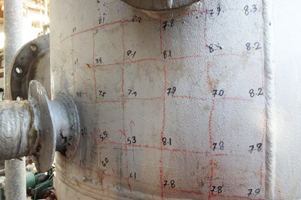
We cover in-service inspections, visual examinations, condition assessments, thickness measurements, corrosion and damage assessments, inspection planning, and NDT coordination. Our inspections are undertaken in accordance with AS 3788, supported by other relevant Australian Standards such as AS 1200, AS 1210, AS 1228, AS 1271, AS 4041, and AS 4343, together with applicable statutory and regulatory requirements.
Each inspection is tailored to the equipment, service conditions, and operational requirements to provide practical and reliable advice on asset integrity and continued safe operation.
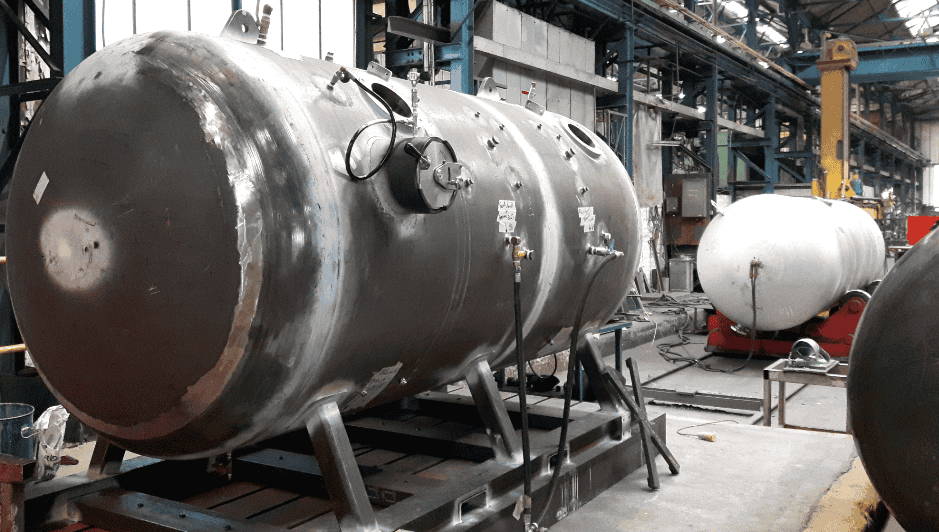
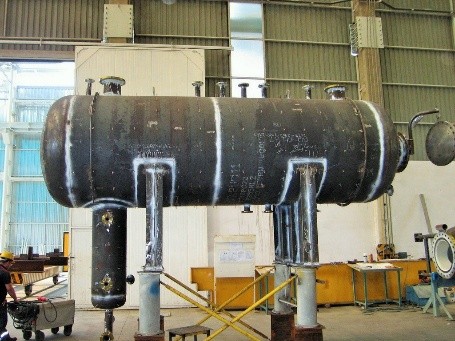
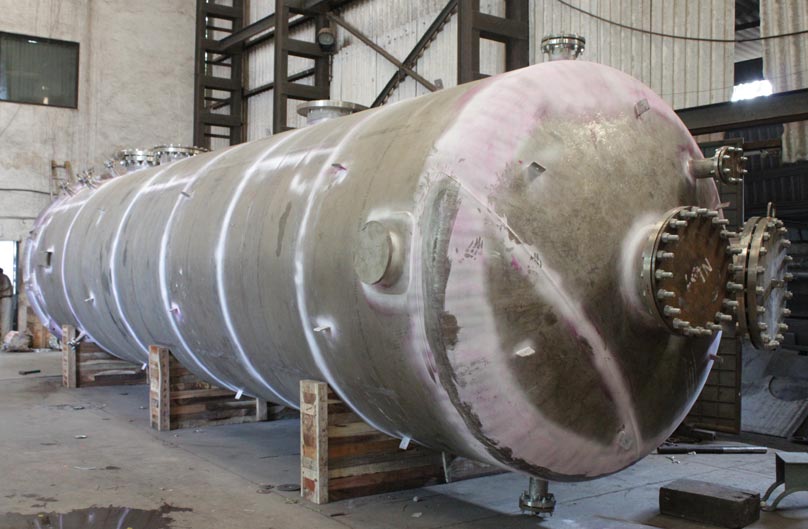
Process vessels are critical assets and require regular inspection in accordance with AS 3788. Inspection intervals are determined based on the vessel’s AS 4343 hazard level, service conditions, operating history, and condition. Higher-hazard vessels generally require more frequent inspections, while lower-hazard vessels may have longer inspection intervals.
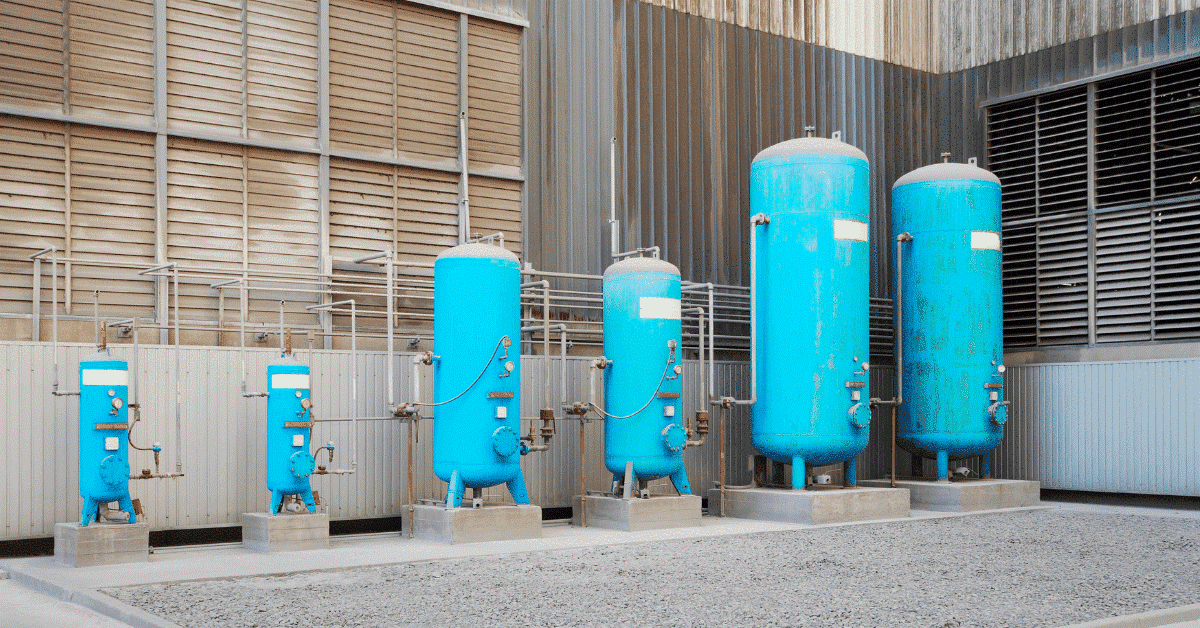
Compressed air vessels are critical auxiliary equipment in many industrial processes and require regular inspection in accordance with AS 3788. Inspection intervals depend on the vessel’s operating pressure and volume. As the pressure-volume (PV) value increases, the inspection interval generally becomes shorter.
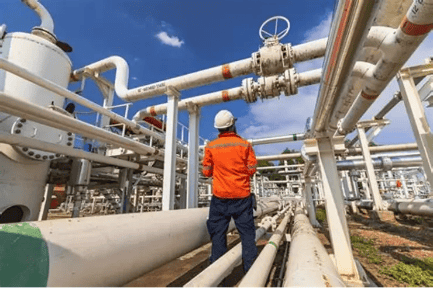
AIES Group provides competent process piping inspection services delivered by experienced inspectors with strong knowledge of Australian Standards and industry requirements. Our team has experience inspecting a wide range of piping systems, including process lines, associated fittings, flanges, valves, supports, and welded joints, in accordance with AS 3788, AS 4041, API 570, and other applicable Australian Standards and statutory requirements.
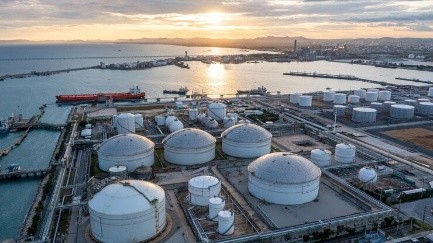
Oil storage tanks are critical assets within oil & gas, mining, energy, and industrial facilities, where maintaining tank integrity is essential for safe storage, environmental protection, and reliable plant operation. Regular inspection helps identify deterioration at an early stage, manage integrity risks, and minimise the potential for leaks, failures, and unplanned outages. Tank inspections may include internal and external visual examination, ultrasonic thickness measurement, corrosion and damage assessment, settlement assessment, NDT, and overall condition assessment, depending on the tank and inspection requirements.
AIES Group carries out tank inspections with reference to API 653, AS 4971, AS 1940, and other applicable Australian Standards, statutory requirements, and recognised industry practices. Our inspection approach is tailored to the tank, its service conditions, and operating environment to provide practical engineering advice for safe and reliable continued operation.
Fitness-for-Service (FFS) assessment is an engineering evaluation used to determine whether in-service pressure equipment can continue to operate safely when it has experienced damage, deterioration, or defects. It provides a structured basis for making informed decisions on continued operation, repair, replacement, or modification where the equipment may no longer be adequately assessed using its original design or construction requirements. FFS assessments are commonly applied to pressure vessels, process piping, and storage tanks.
AIES Group provides Fitness-for-Service (FFS) assessments to determine whether in-service pressure equipment can continue to operate safely where damage, deterioration, or defects have been identified. Our assessments cover common damage mechanisms such as corrosion and metal loss, pitting, cracking, dents, distortion, weld defects, and other forms of deterioration, where applicable. The assessment considers inspection findings, material properties, equipment design, operating conditions, and the extent of damage to establish the suitability of the equipment for continued service.
FFS assessments are performed in accordance with API 579-1 / ASME FFS-1 – Fitness-for-Service, with consideration of the applicable original design and construction codes and relevant post-construction inspection requirements. Depending on the equipment, damage mechanism, available inspection data, and complexity of the assessment, Level 1, Level 2, or advanced assessment methods may be applied. Level 1 and Level 2 provide progressively more detailed assessment approaches, while advanced assessments are used where a more detailed engineering evaluation is required.
The assessment may be supported by relevant standards and codes such as AS1210 for pressure vessels, AS4041 for pressure piping, API650/API 653 for applicable storage tanks, AS3788 for in-service inspection, and other applicable Australian Standards, statutory requirements, and recognised industry practices. The applicable requirements are selected based on the equipment type, original construction standard, damage mechanism, and intended service.
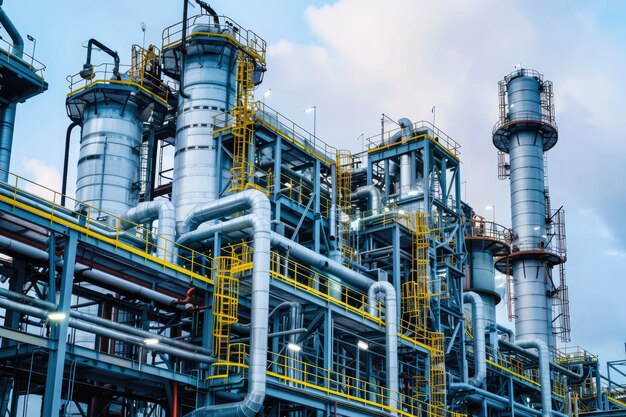
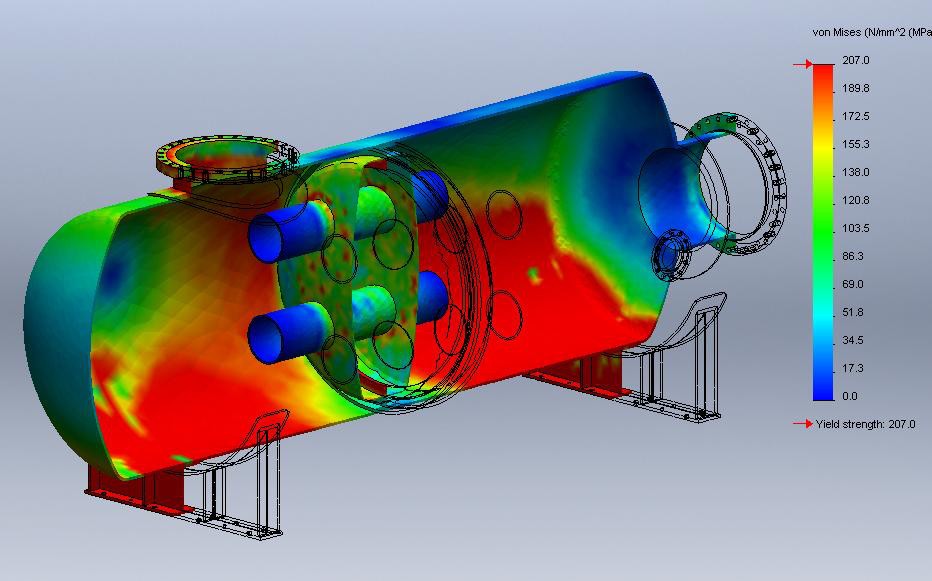
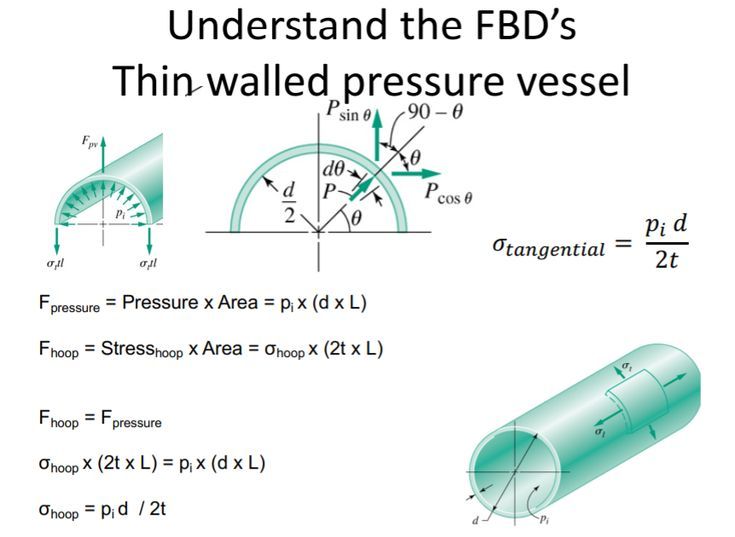
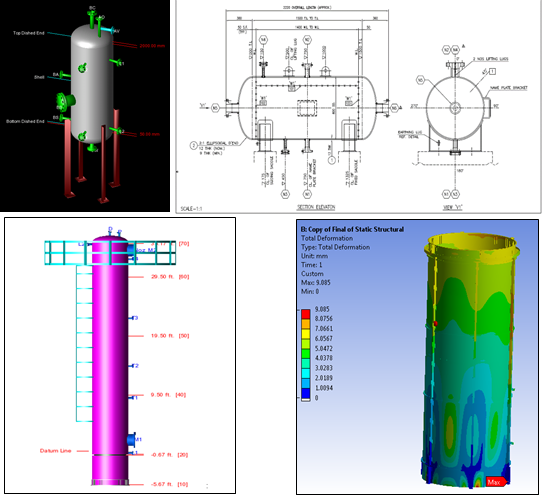
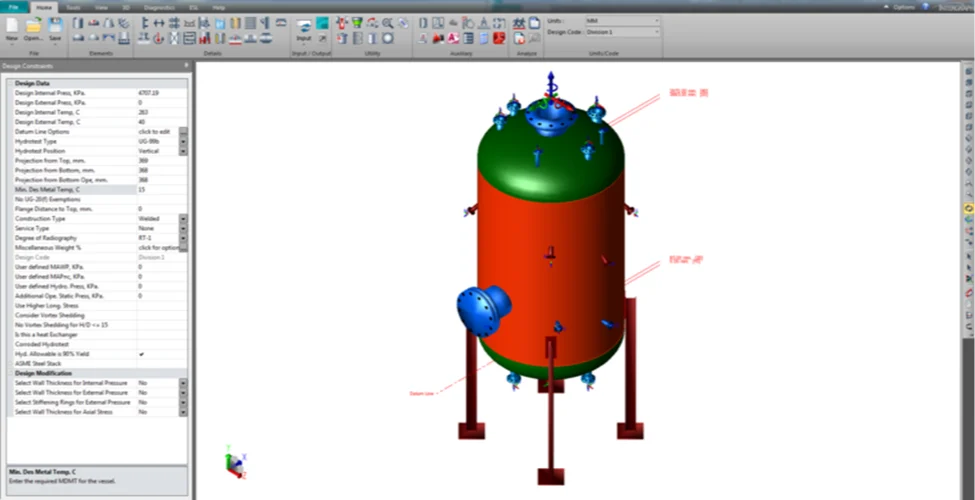
AIES Group delivers engineering design and verification solutions for pressure equipment, with a focus on safe, compliant, and practical designs suitable for service. Our engineering assessments cover design calculations, pressure and load evaluations, material and component requirements, and verification against the applicable design code. Where conventional calculations are not sufficient, Finite Element Analysis (FEA) can be used to assess complex geometries, local stresses, and other critical design conditions. Our engineers work with Australian and international pressure equipment standards, including AS 1210 and ASME Section VIII, as applicable to the equipment and project requirements. AIES Group can also support clients through pressure equipment registration and design approval processes with the relevant regulatory authority, providing the required engineering documentation and technical support from design through approval.
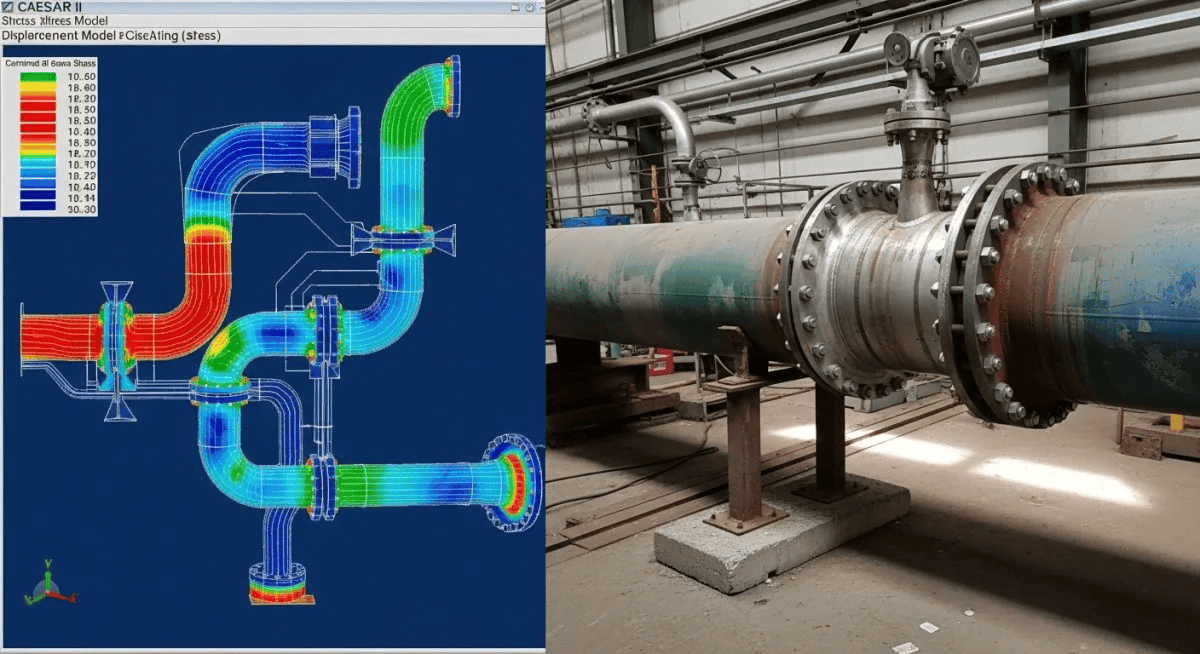
AIES Group provides piping stress analysis services to assess the behaviour and integrity of piping systems under operating and design conditions. Our assessments consider thermal expansion, internal pressure, weight, sustained and occasional loads, wind and seismic effects, equipment nozzle loads, support reactions, and system flexibility. Piping systems are analysed using industry-recognised software such as CAESAR II, with results reviewed against applicable piping codes and project requirements. Our engineers work with standards including ASMEB31.3, ASMEB31.1, AS4041, and other applicable Australian and international standards, depending on the service and project requirements. The analysis helps identify overstress, excessive displacement, support and restraint issues, and excessive loads transferred to connected equipment, allowing practical engineering solutions to be developed for both new and existing piping systems
AIES Group supports clients with NDE coordination services for pressure vessels, piping and tanks, assisting with the planning and management of required non-destructive examinations throughout the inspection process. We coordinate with qualified NDE providers for a range of inspection methods, including but not limited
Our services also include coordination of inspection activities and review of NDE reports to ensure results are properly recorded and available for project documentation and compliance requirements.